
Addiction, Overdose Prevention & Finding Help in Greene County
Addiction is a medical condition — not a failure, not a weakness, and not something anyone should face alone. In Greene County and across New York, communities are working together to prevent overdoses, expand treatment access, and support recovery for individuals and families.
If you or someone you love is struggling, help is available — and recovery is possible.
The Reality of Addiction in Greene County
Substance use and overdose continue to impact local communities, including Greene County.
- From 2014–2024, Greene County’s opioid overdose death rate averaged 24.0 per 100,000 people, about 1.3× higher than the New York State rate (excluding NYC).
- In 2024, Greene County ranked 4th among 57 upstate NY counties for opioid overdose death rates.
- Between 2020–2024, there were 67 overdose deaths in Greene County.
- Overdose events have declined since a peak in 2021, with about a 33% decrease by 2024.
The drug supply continues to change:
- Fentanyl remains the most common substance involved in overdose deaths.
- Other substances such as prescription opioids and benzodiazepines are becoming more common contributors.
Most overdose deaths locally occur in private homes, which highlights how important it is for family members, friends, and community members to know how to respond.
Addiction Is Treatable
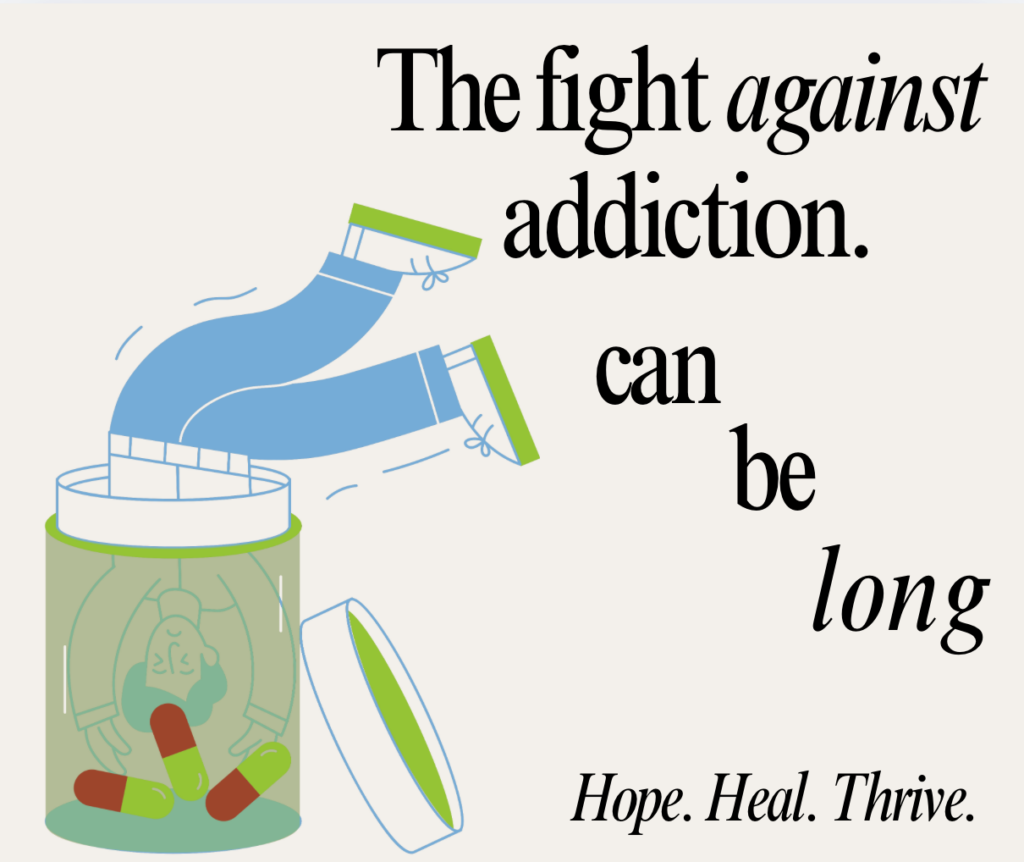
Addiction is a complex medical condition that affects the brain, behavior, and overall health. It impacts individuals, families, and entire communities, and recovery often requires a combination of medical care, mental health support, and social services.
Many people need multiple attempts or different types of treatment before recovery becomes stable — and that’s normal. What matters most is staying connected to support and resources.
Harm Reduction Saves Lives
Not everyone is ready or able to stop using substances immediately. Harm reduction focuses on keeping people alive and as healthy as possible while they move toward recovery.
Examples include:
- Naloxone (Narcan) access
- Fentanyl test strips
- Syringe and sharps disposal programs
- Education on safer use and overdose response
Harm reduction programs help prevent overdoses and reduce infectious disease transmission while connecting people to treatment when they are ready.
Anyone at risk of witnessing or experiencing an overdose in Greene County can obtain naloxone free of charge through Public Health programs.
Signs Someone May Need Help
You or someone you know may need support if there is:
- Increased substance use or loss of control
- Withdrawal symptoms
- Changes in mood, sleep, or behavior
- Isolation or loss of interest in normal activities
- Repeated overdoses or near overdoses
If you are unsure, it is always okay to reach out and ask for help.
How to Find Help in Greene County
If you are looking for help, you can start with:
Local Options
- Primary care providers
- Behavioral health and mental health providers
- Substance use treatment programs
- Peer recovery programs
- County public health resources
Immediate Help
- Call 911 for overdose or medical emergency
- Call or text 988 for mental health crisis support
- Visit local emergency departments for withdrawal or overdose support
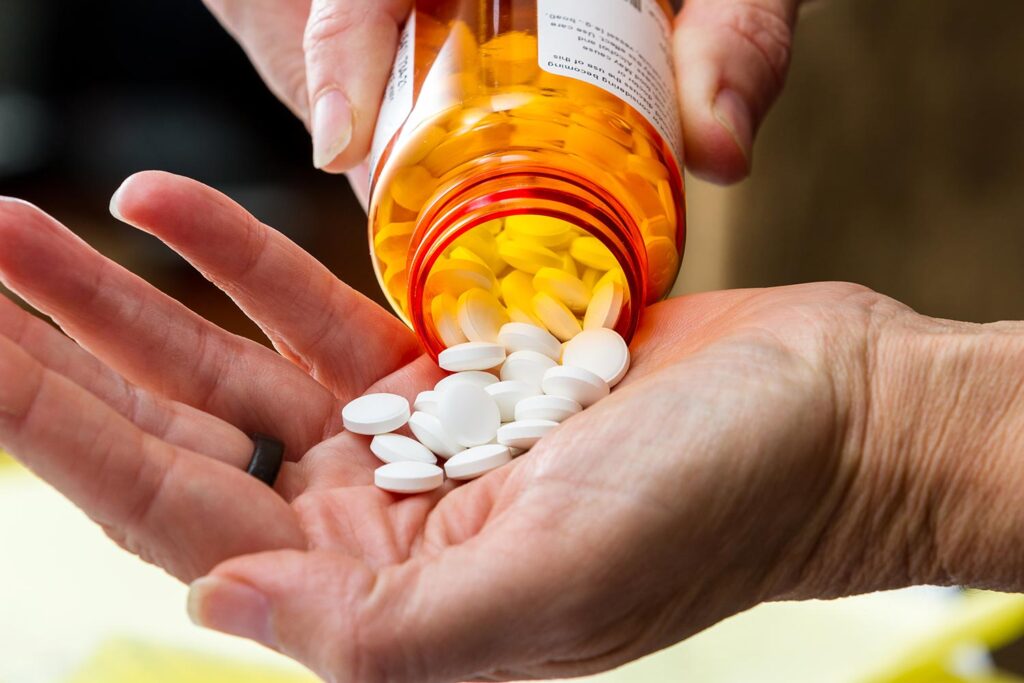
Opioids in Greene County, NY: Understanding the Impact on Our Community
The opioid crisis continues to affect communities across the country — and here in Greene County and throughout Upstate New York, the impact is very real. While progress has been made in prevention, treatment, and harm reduction, opioid use disorder and overdose remain serious public health challenges affecting families, workplaces, and community health systems.
The Local Picture: Greene County
Recent data shows that Greene County continues to face higher overdose risks compared to many other parts of New York State.
- In 2024, Greene County’s overdose death rate was 23.4 per 100,000 people, compared to 14.4 per 100,000 in New York State (excluding NYC).
- Among 57 Upstate New York counties, Greene County ranked 4th for opioid-involved overdose deaths in 2024.
- In recent years, Greene County has ranked among the highest Upstate counties for opioid overdose death rates, highlighting how deeply the crisis has affected the region.
Historically, the issue has persisted for years. For example, earlier regional data showed overdose death rates in Greene County significantly higher than regional averages, demonstrating long-term vulnerability to opioid misuse.
What’s Driving the Crisis in Upstate New York
Across New York State, opioids are responsible for the majority of overdose deaths.
- Opioids were involved in about 85% of overdose deaths in New York in recent reporting years.
- Synthetic opioids like fentanyl have become a major driver of overdose deaths, rising dramatically over the last decade.
- New York’s overdose death rate rose sharply during the pandemic years, reflecting national trends tied to isolation, disrupted treatment access, and changes in drug supply.
Across Upstate communities, smaller rural counties often face additional challenges, including:
- Limited access to treatment and recovery services
- Transportation barriers
- Workforce shortages in behavioral health
- Higher rates of chronic pain and prescription opioid exposure historically
Signs of Progress — But Work Remains
New York and national data show some signs of improvement in recent years, with expanded treatment access, naloxone distribution, and harm-reduction strategies helping reduce deaths in some areas.
However, experts stress that progress can be fragile. Fentanyl contamination in the drug supply and polysubstance use continue to drive overdose risk, meaning prevention and treatment efforts must continue.
The Human Impact on Greene County
Behind every statistic is a person — and a network of family, friends, coworkers, and neighbors affected by substance use disorder. The opioid crisis has influenced:
- Emergency medical services and hospital systems
- Child welfare and family stability
- Workforce participation
- Mental health needs across all age groups
Community-based programs, peer recovery support, medication-assisted treatment, and harm reduction services have all become critical parts of the response.
Moving Forward as a Community
Addressing opioid addiction requires a whole-community approach that includes:
- Prevention and early education
- Access to treatment and recovery services
- Harm reduction tools like naloxone and fentanyl test strips
- Reducing stigma so people feel safe asking for help
Local partnerships between healthcare providers, public health agencies, law enforcement, and community organizations are key to building long-term solutions.
Better health to every corner of Greene.