Types of Diabetes
Diabetes generally falls into four main types: type 1, type 2, gestational, and pre diabetes.
Type 1 Diabetes
Type 1 is an autoimmune condition where the body attacks the cells that make insulin. Without insulin, the body can’t use sugar for energy. Symptoms often appear quickly, and people usually need daily insulin.
Type 2 Diabetes
Type 2 is the most common form. The body either doesn’t make enough insulin or can’t use it well (insulin resistance). It used to be mostly seen in adults but is now increasing in younger people.
Gestational Diabetes
This type happens during pregnancy when pregnancy hormones make insulin less effective. It usually goes away after delivery but can increase future diabetes risk.
Prediabetes
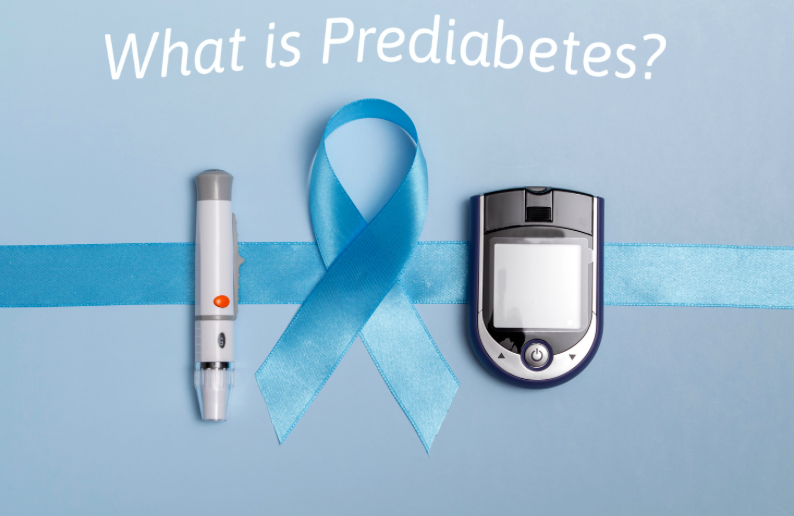
Prediabetes means blood sugar is higher than normal but not high enough to be diabetes. It’s a warning sign and a chance to prevent or delay type 2 diabetes with lifestyle changes.
According to the World Health Organization
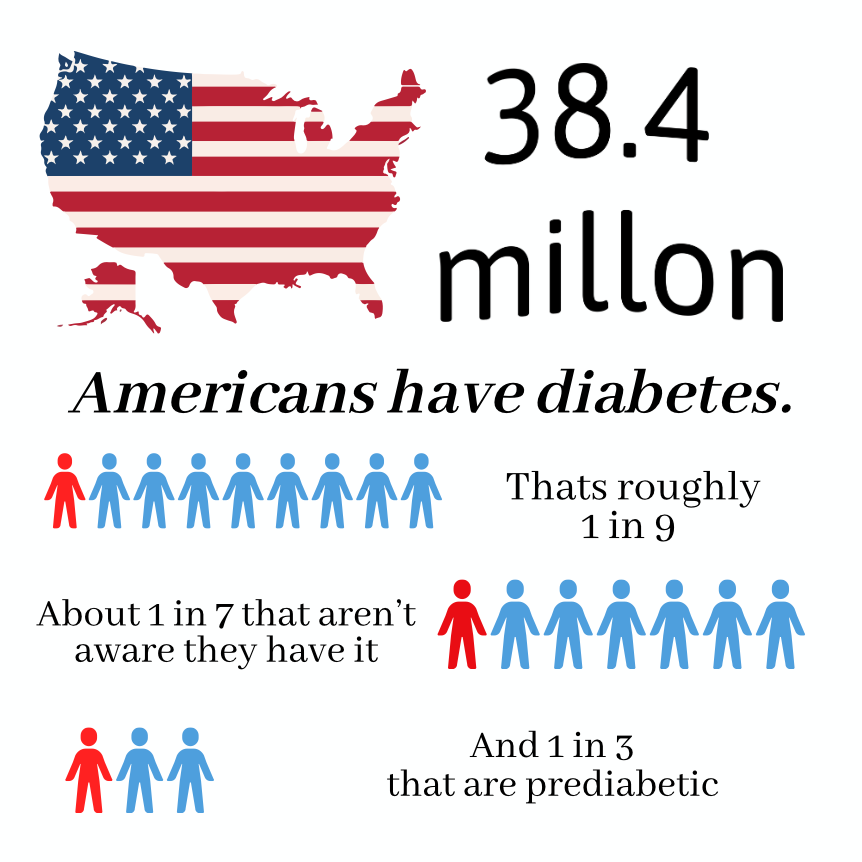
The number of people living with diabetes rose from 200 million in 1990 to 830 million in 2022. Prevalence has been rising more rapidly in low- and middle-income countries than in high-income countries.
More than half of people living with diabetes did not take medication for their diabetes in 2022. Diabetes treatment coverage was lowest in low- and middle-income countries.
Diabetes causes blindness, kidney failure, heart attacks, stroke and lower limb amputation.
In 2021, diabetes and kidney disease due to diabetes caused over 2 million deaths. In addition, around 11% of cardiovascular deaths were caused by high blood glucose.
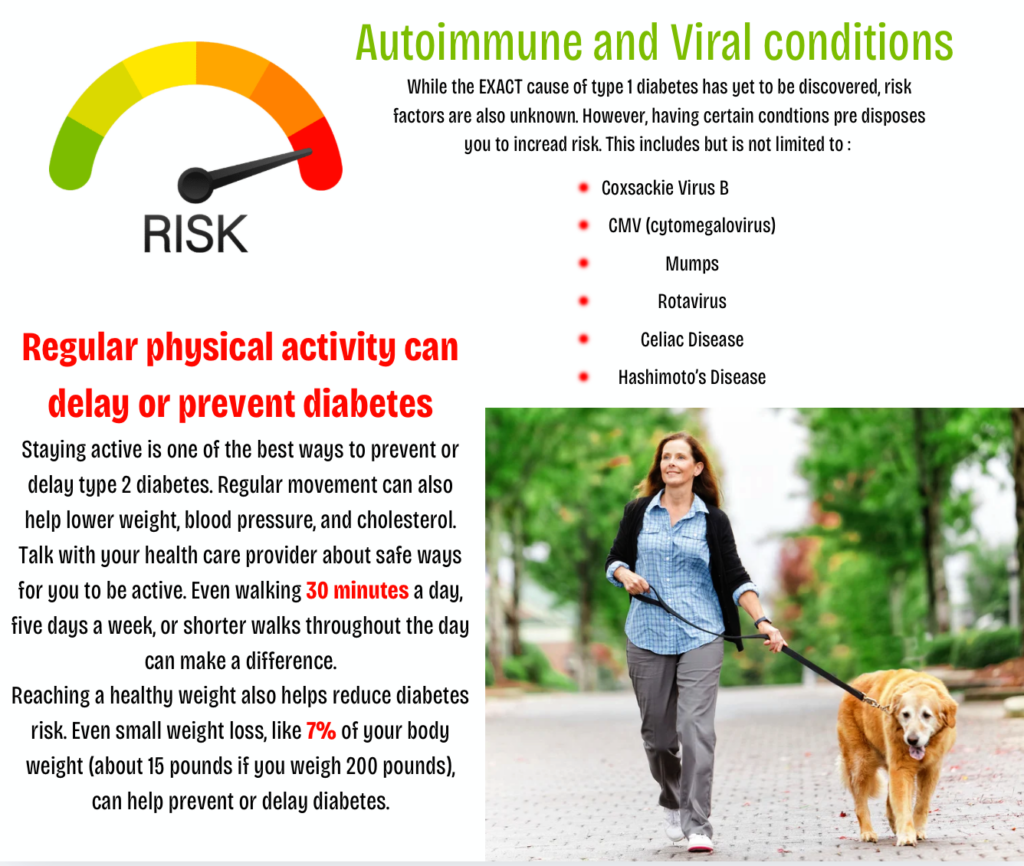
A healthy diet, regular physical activity, maintaining a normal body weight and avoiding tobacco use are ways to prevent or delay the onset of type 2 diabetes.
Diabetes can be treated and its consequences avoided or delayed with diet, physical activity, medication and regular screening and treatment for complications.
Early Warning Signs
Are you looking out for these?
1.
Frequent Urination
Needing to get up in the middle of the night more? Are you thirstier than ever but drinking twice as much? Low blood sugar causes your kidneys to work overtime leading to feeling dehydrated while still using the bathroom often.
2.
Rapid Weightless
Are you losing more weight than you think you should be? Your cells may be overcompensating and burning up muscle and fat to use for energy without you even realizing it.
3.
Extreme Fatigue
We all get tired at the end of a long day, but, are you finding yourself feeling out of energy soon after waking up? When glucose isn’t being processed properly, your body has a hard time finding energy. Leading to more frequent and extreme tiredness.
4.
Healing Slower
Have a UTI you just can’t kick? What about a cut you got weeks ago still not scabbing over? Impaired immune system and poor circulation of blood flow can lead to cuts and bruises healing slower and your body having a harder time fighting off infections.
Care for a quiz?
Follow this link to take a quiz on type 1 Diabetes
Pre-diabetes means your blood sugar is higher than normal but not yet in the diabetes range ,
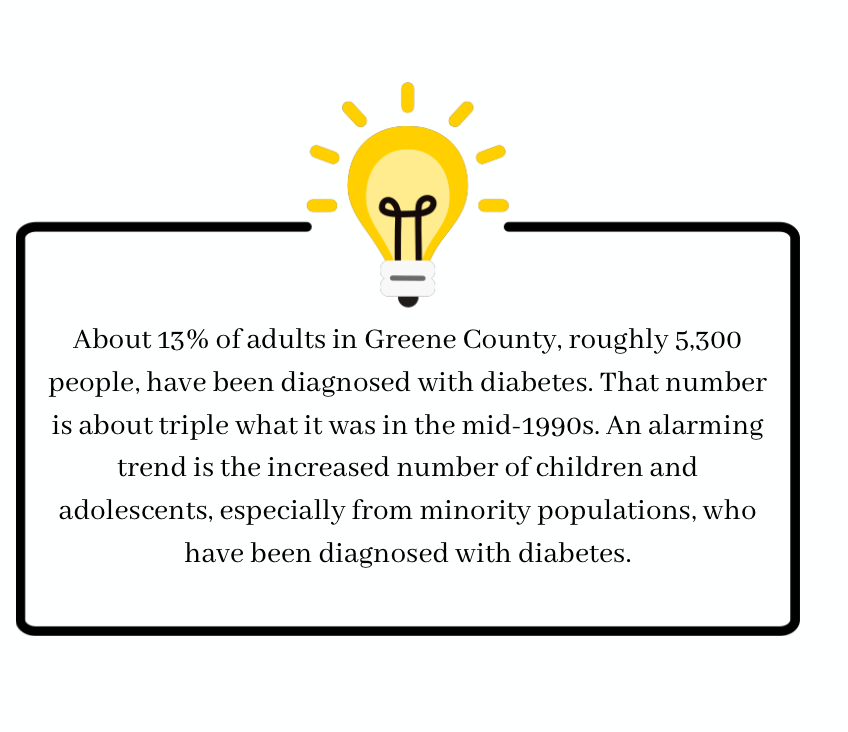
a warning sign that it’s time to take action. It often has no symptoms, so many people don’t know they have it. Nearly 20% of people who have diabetes have not been diagnosed (as many as 9,520 people in Greene County) because their symptoms may be overlooked or misunderstood; therefore, they are not receiving the recommended medical care that has been proven to prevent diabetes complications.
If you’ve been diagnosed, the American Diabetes Association recommends testing for Type 2 diabetes every 1–2 years.
Better health to every corner of Greene.