

Protect yourself from
In the last 2 years there was over 29000 new cases of Lyme in New York state.
Approximately 476,000 people may be diagnosed and treated for Lyme disease each year in the United States.
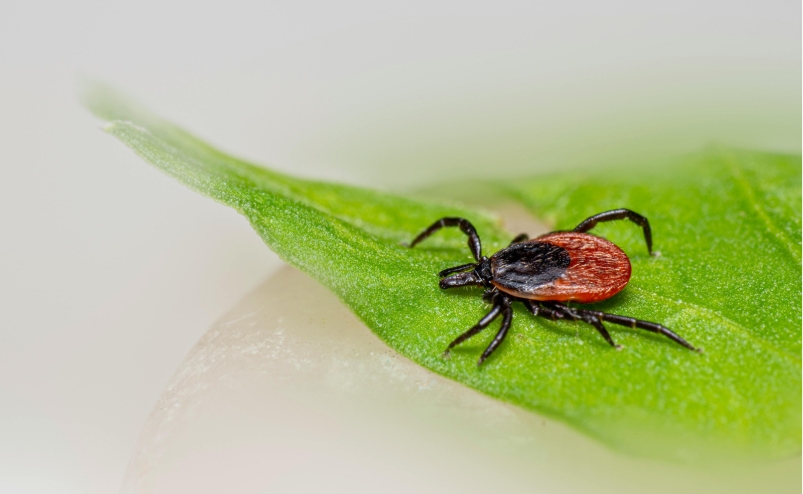
How well do you know Ticks?
Facts about the disease
-When diagnosed in time, the disease is treatable with an antibiotic.
-The CDC notes that it is most common in children, older adults, and others such as firefighters and park rangers who spend time in outdoor activities
– It can affect any organ of the body, including the brain and nervous system, muscles and joints, and the heart
-Most people get Lyme from the bite of the nymphal, or immature, form of the tick. Nymphs are about the size of a poppy seed. Because they are so tiny and their bite is painless, many people do not even realize they have been bitten.
Once a tick has attached, if undisturbed it may feed for several days. The longer it stays attached, the more likely it will transmit the Lyme and other pathogens into your bloodstream
What to do when you find a tick
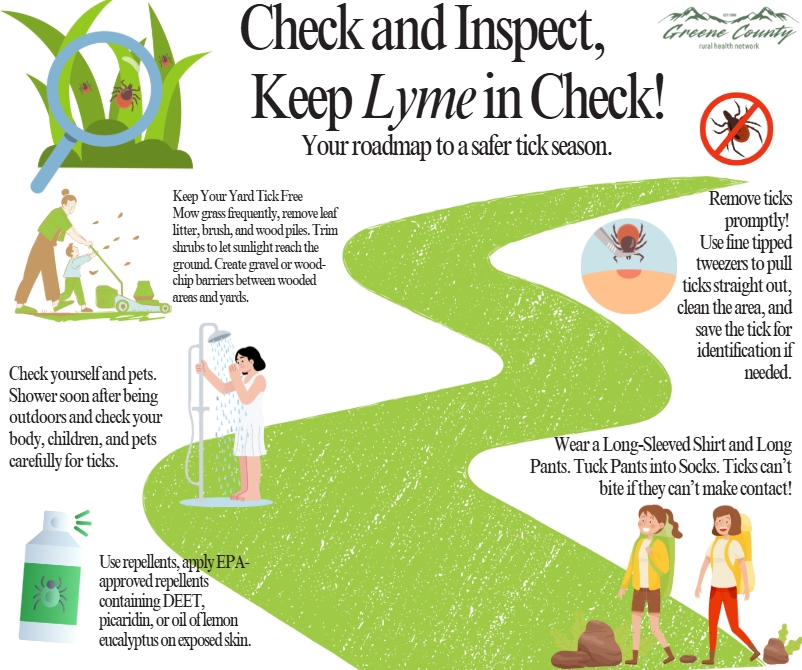
Use fine-tipped tweezers.
Grasp the tick as close to the skin as possible.
Pull upward with steady, even pressure.
Do not twist, burn, or smother it with petroleum jelly.
Clean the area with soap and water or alcohol.
You may want to consider urgent care or visiting your primary care if…
The tick was attached 36+ hours
You develop any symptoms
You are unsure how long it was attached
The tick looked like a small, dark deer tick
Signs to watch out for include,
In some cases, a single preventive dose of doxycycline may be recommended within 72 hours of removal if risk is high.
- Erythema Migrans (EM) Rash — Most Specific Sign (Bulls Eye)
- Flu Like Symptoms (Headache, Fever, Fatigue, Swollen Lymph Nodes)
- Muscle aches (myalgia)
- Joint aches (arthralgia)
- Lyme Arthritis (Weeks to Months Later)
- Neurologic Lyme (Bell’s Palsy, Neck stiffness or tingling, Memory and concentration issues, In some rare cases Meningitis)
- Lyme Carditis (Dizziness or fainting, Heart palpitations, Shortness of breath, Chest pain)
Antibiotics treat Lyme disease by interfering with essential bacterial survival mechanisms. Different antibiotics work in different ways but the goal is the same which is to stop the bacteria from growing and eliminate the infection. Doxycycline blocks bacterial protein production by binding to the 30S ribosomal subunit. Without the ability to produce proteins the bacteria cannot replicate or survive. Amoxicillin and ceftriaxone work differently by disrupting bacterial cell wall formation. Without a stable cell wall the bacteria lose structural integrity and die. In all cases the result is the gradual elimination of Borrelia burgdorferi from the body.
As the bacteria are killed the overall infection load decreases. This allows the immune system to regain control and reduces inflammation triggered by the infection. Symptoms such as fever fatigue joint pain and headache typically improve as bacterial levels fall. Early treatment often leads to complete recovery especially when therapy begins during the first stage of illness.
Antibiotics also prevent the bacteria from spreading to other parts of the body. If untreated Borrelia burgdorferi can disseminate through the bloodstream and affect the joints nervous system and heart leading to Lyme arthritis neuroborreliosis or Lyme carditis. Prompt antibiotic therapy stops bacterial replication before this wider spread occurs.
Timing plays a critical role in treatment success. When antibiotics are started early outcomes are generally excellent. In later stages longer courses or intravenous antibiotics may be required. Even after the bacteria are eliminated the immune system may continue to produce inflammation for a period of time which can cause symptoms to persist temporarily.
It is important to understand that antibiotics kill the bacteria but they do not directly repair tissue damage or immediately stop inflammation. The body still needs time to recover. This is why early recognition and appropriate treatment remain the most effective strategy for preventing complications of Lyme disease.
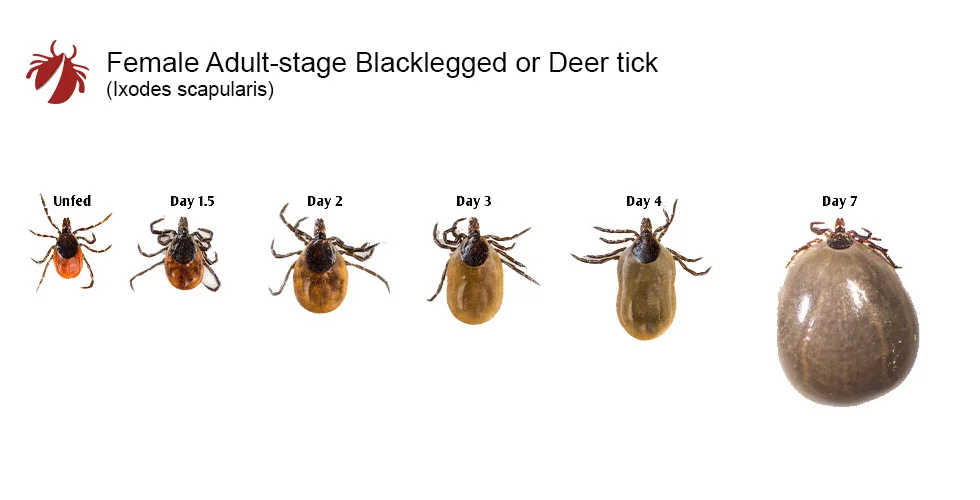
Types of Ticks
Not all ticks carry all pathogens; it depends on tick species, life stage, and geographic location.
NY STATE
The most common tick in New York that spreads Lyme disease is the Blacklegged tick, or deer tick. Nymphs are tiny and hard to see, making them the main source of human infections, while adults mainly feed on deer but can bite humans. They live in wooded or grassy areas and can also carry anaplasmosis, babesiosis, and Powassan virus. Lyme bacteria usually require 24–48 hours of tick attachment to transmit. Prevention includes wearing long clothing, using EPA-approved repellents, staying on trails, checking for ticks, and removing any ticks promptly.
Learn More Here
Better health to every corner of Greene.